Unearthing the Controversy: Nevirapine Trials
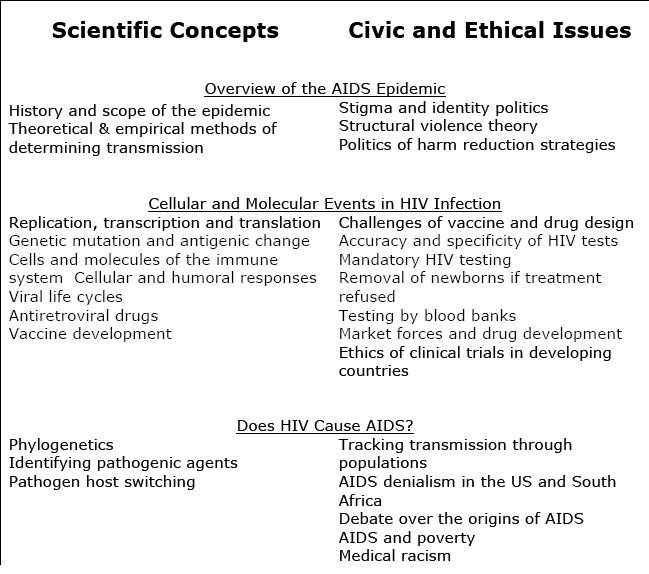
The exploitation of vulnerable populations in medical trials is a dark blemish on the history of pharmaceutical advancements. Central to this debate is the AIDS drug Nevirapine, which has been marked by severe toxic effects. Recent investigations into past trials, notably by the Alliance for Human Research Protection (AHRP), have shed light on troubling practices within the pharmaceutical landscape.
The Vera Report Findings
The Vera Institute of Justice released a report scrutinizing the participation of orphaned children with HIV in clinical drug trials in New York City. The findings indicate a systemic lapse in ethical protocols and have prompted a rigorous examination of the safeguards supposed to protect the youngest and most defenseless participants in clinical research.
Waiving Consent: A Question of Legality and Morality
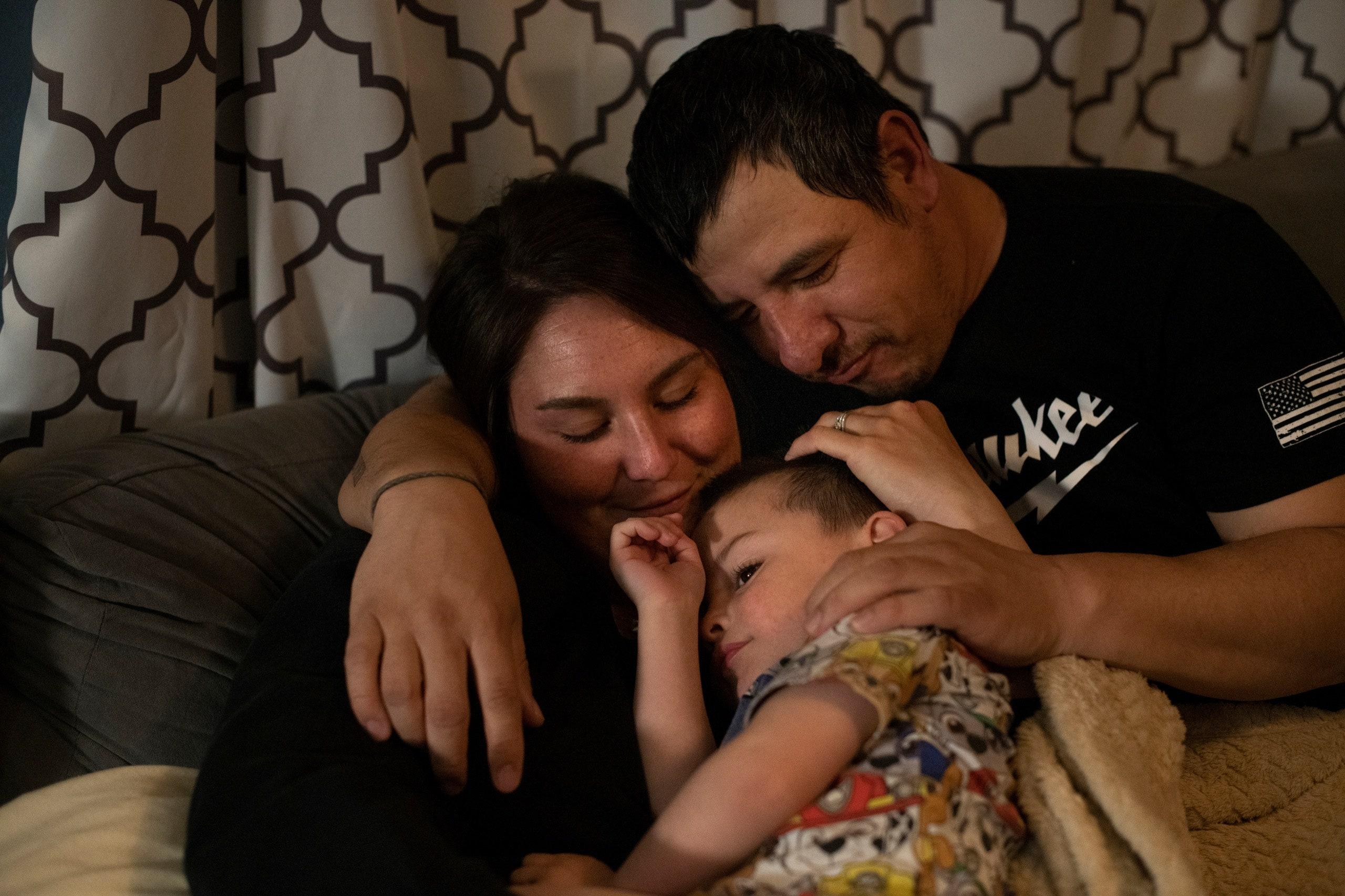
A focal point of outrage stems from the New York City Administration for Children's Services (ACS) policies, which reportedly waived a foster child's right to individual consent for participating in the trials. In doing so, the ACS appears to have bypassed federal regulations designed to protect human subjects in medical studies. The decision to include children in these trials without individual consent has ignited a fiery debate on the balance between medical progress and the rights of individuals.
Ripple Effects on Medical Ethics
These revelations have exacerbated concerns regarding medical ethics and the responsibilities of those conducting drug trials. The use of Nevirapine on children, without their consent, opens a Pandora's box of ethical dilemmas and questions regarding the justifications of trial sponsors and the institutions meant to enforce ethical compliance.
Reevaluating Protections for Vulnerable Populations

The aftermath of these reports has spurred calls for a reevaluation of how pharmaceutical trials are conducted, especially when involving vulnerable populations such as orphans or those unable to consent. Advocacy groups and ethical committees are demanding transparency, accountability, and, most importantly, the protection and consent of participants in line with federal regulations.
Implications for Future Trials
As society confronts these uncomfortable truths, the pharmaceutical industry and regulatory bodies need to reassess how they defend the rights of the underprivileged. Learning from these trials' missteps can help ensure that future research is conducted ethically and with the highest regard for participants' welfare.
Beyond the Trials: The Intersect of Healthcare and Travel
While this discourse might seem far removed from leisure and business industries, there is a connective tissue that binds ethical healthcare practices with the broader scope of human activity, including travel. Global travelers, in pursuit of health treatments or medical conferences, often consider the ethical practices of their destinations. Whether choosing accommodations or seminar venues, the ripple effect of such ethical considerations can influence decision-making. Every sector, be it healthcare or hospitality, can be reflective of conscientious choices, suggesting that transparency and virtue are values transcending industry boundaries.
Painted Post
Corning
New York
- Conrad Hotel Nyc
- Hyatt Place Times Square
- Fasano Nyc
- Wythe Hotel
- Cheap Hotel Manhattan
- Trips New York
- Manhattan Hostels
- B&B Nyc
- Holiday Lettings New York
- Family Friendly Hotels New York
- Cheap Motels In New York New York
- Nyc Hotels That Allow Pets
- Best Budget Boutique Hotels Nyc
- Hotel New York 4 Star
- Top Luxury Hotels In Nyc
- 5 Star Hotels In Nyc
- New York Spa Hotel